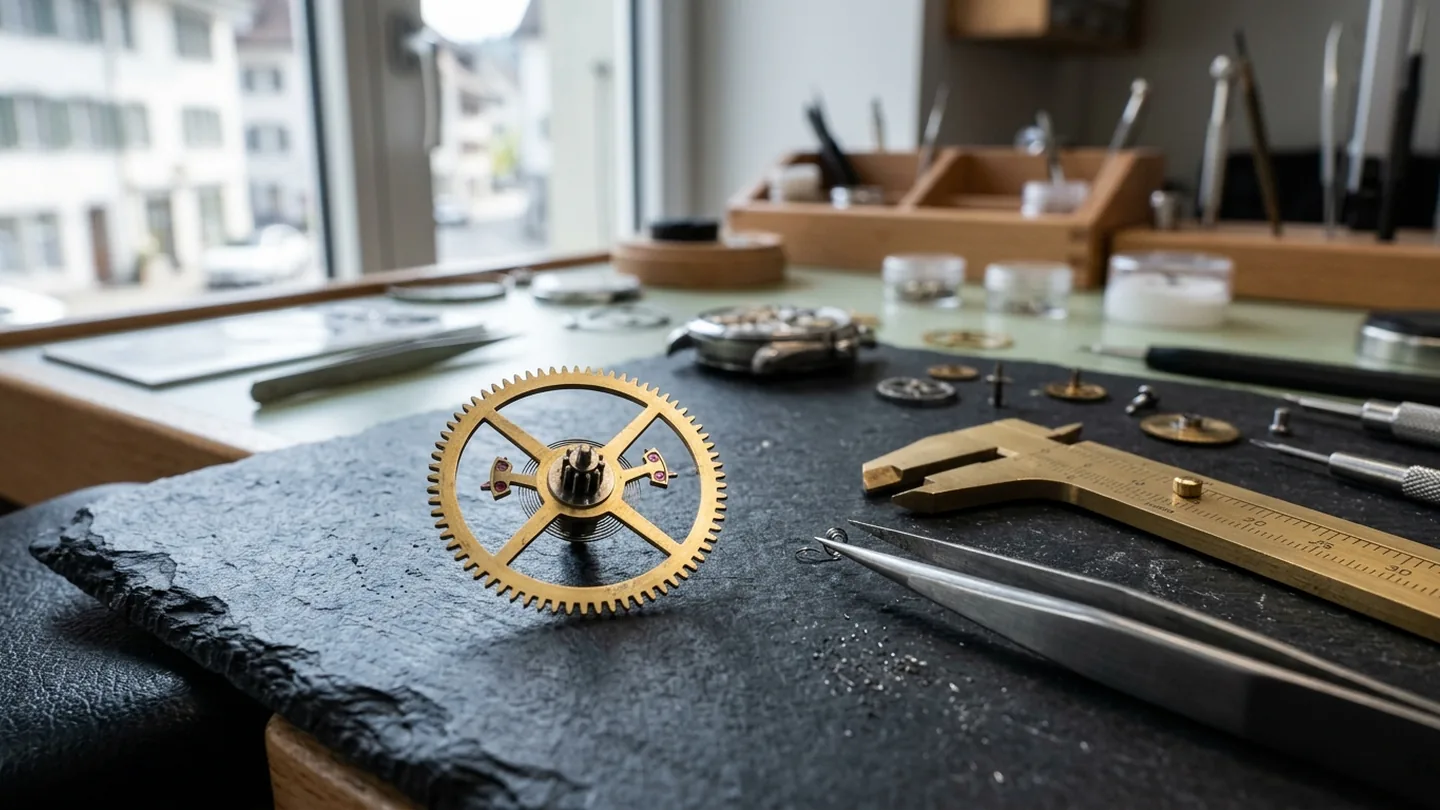
Why Marine Escapements Outlived Their First Century at Sea
Inside a coastal horology workshop in Fife, brass detent chronometers built in 1898 still hold two-second daily drift because every bearing surface was dimensioned to be re-bushed by hand.

Filter by reporting beat or search across every published essay, workshop measurement, and correspondent note.

Inside a coastal horology workshop in Fife, brass detent chronometers built in 1898 still hold two-second daily drift because every bearing surface was dimensioned to be re-bushed by hand.

Before a high-speed passenger set clears a single switch outside Gothenburg, boolean interlocking equations evaluate 1,800 track-circuit invariants in under forty milliseconds.

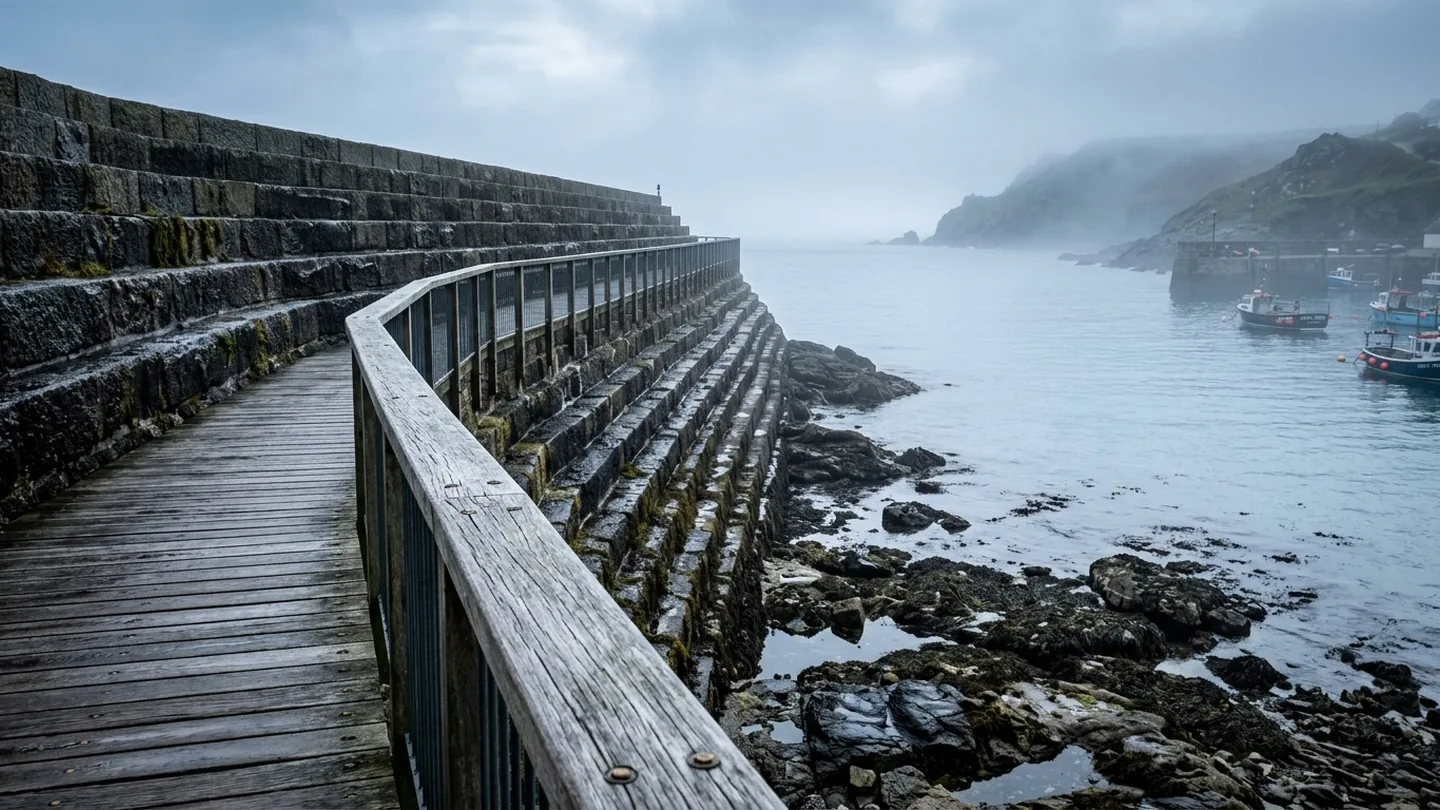
Vertical concrete parapets reflect storm energy back into shipping channels and scour their own foundations. Stepped granite revetments dissipate wave run-up while restoring public access to the water.

A classic Tektronix or Hewlett-Packard service binder shipped with fold-out schematics, voltage waveforms at every test point, and a prose theory of operation written by the circuit designer.

By dropping supply water temperatures from 95 C to 55 C, medium-sized northern towns capture waste warmth from supermarkets, data halls, and harbour seawater heat pumps.

Why precision CNC job shops are replacing fragile cloud-only MES dashboards with write-ahead-logged SQLite files on fanless industrial PCs—and syncing upstream on their own schedule.

A forty-eight-hour climb-and-calibration notebook from a Hebridean ridge where 90-knot salt gusts test radome bolts, waveguide dryers, and backup diesel pre-heaters.