The Quiet Economics of Fourth-Generation District Heat Loops
By dropping supply water temperatures from 95 C to 55 C, medium-sized northern towns capture waste warmth from supermarkets, data halls, and harbour seawater heat pumps.
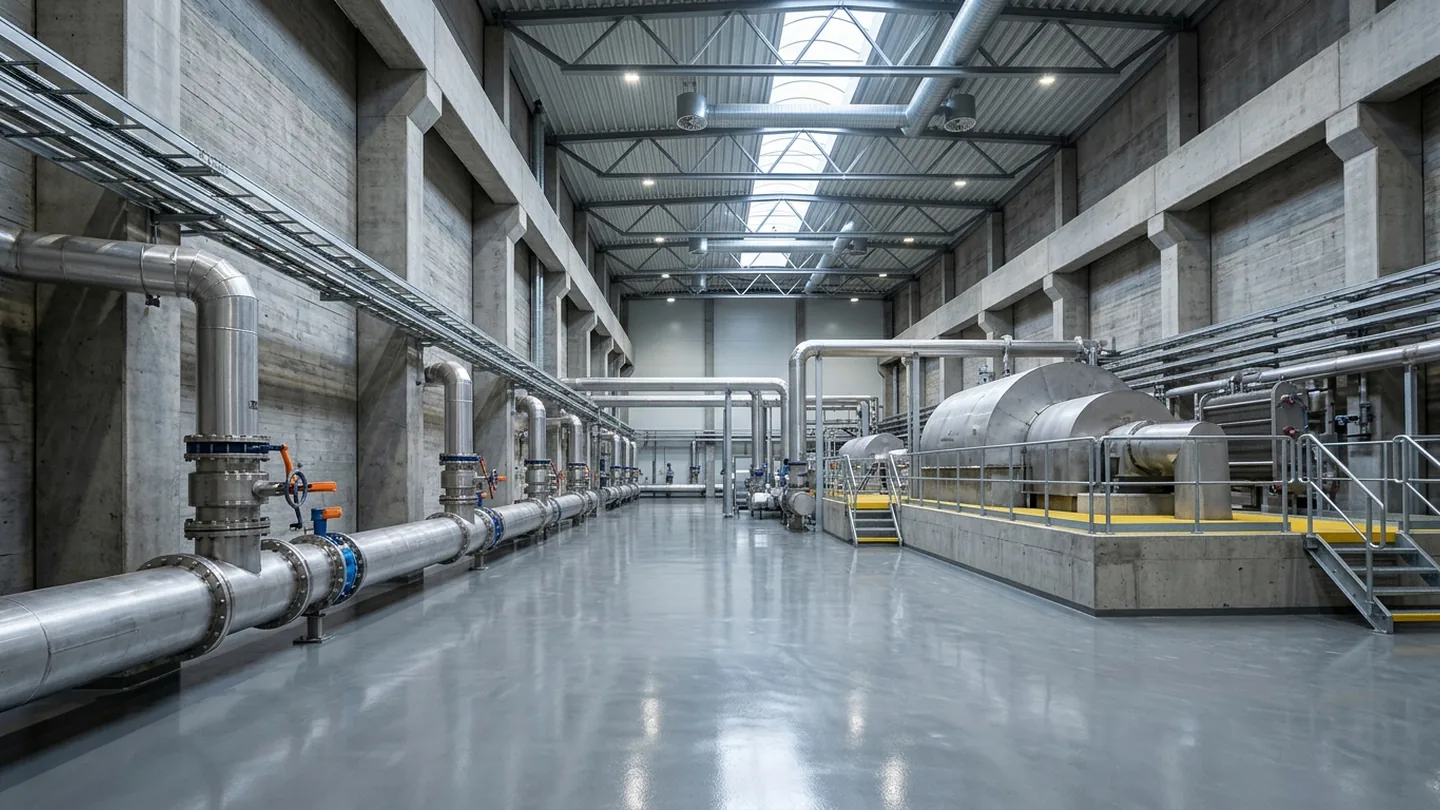
Beneath the brick pavements of Esbjerg and Aarhus runs an insulated twin-pipe water loop that rarely makes national headlines. Unlike first-generation steam tunnels that hissed through manholes at 140 degrees Celsius, modern fourth-generation district heating networks circulate pressurized water at just 52 to 58 degrees—warm enough for domestic radiators and plate heat-exchanger tap water, yet cool enough to slash trench heat losses by half.
Lowering the loop temperature unlocks low-grade heat sources that previously vented straight into the sky. Supermarket refrigeration condensers, transformer substations, municipal wastewater outfalls, and server racks can all feed megawatts into a 55-degree return header without expensive high-pressure industrial boilers.
Insulated Steel and Thirty-Year Paybacks
District energy succeeds or fails on financing horizon and trench discipline. Pre-insulated bonded steel pipes with polyurethane foam jackets and embedded copper leak-detection wires cost roughly 900 to 1,400 euros per linear metre to install under existing urban streets. Commercial venture capital demands four-year exits; municipal cooperative utilities amortize pipework over thirty-five years at sovereign bond rates, passing heat to households at stable seasonal tariffs.
"Thermal grids treat warmth as shared civic plumbing rather than an individual appliance race in every basement."
Coupling Seawater Pumps with Thermal Storage
In coastal ports, ammonia heat pumps draw 6-degree winter seawater across titanium plate exchangers—sited right beside the harbour structures profiled in Sea Walls That Invite the Tide: Rethinking North Atlantic Harbour Edges—and store surplus wind-generated heat inside 40,000-cubic-metre insulated water tanks. When wind output dips during calm cold snaps, stored hot water dispatches smoothly for seventy-two hours without firing peak gas turbines, demonstrating the same operational resilience seen at northern telemetry sites in Winter Maintenance at Fifty-Eight North: Keeping Atlantic Weather Radars Turning.
Maeve Donovan
Civil engineer and writer documenting harbour defences, municipal heat networks, and low-carbon public buildings across northern Europe.
Reader Letters (0)
No published reader letters on this essay yet. Add a technical note or field observation below.
Subscribe to Kestrel Review
New field essays every Tuesday and Friday morning. Reader-funded, zero display ads, unsubscribe in one click.